
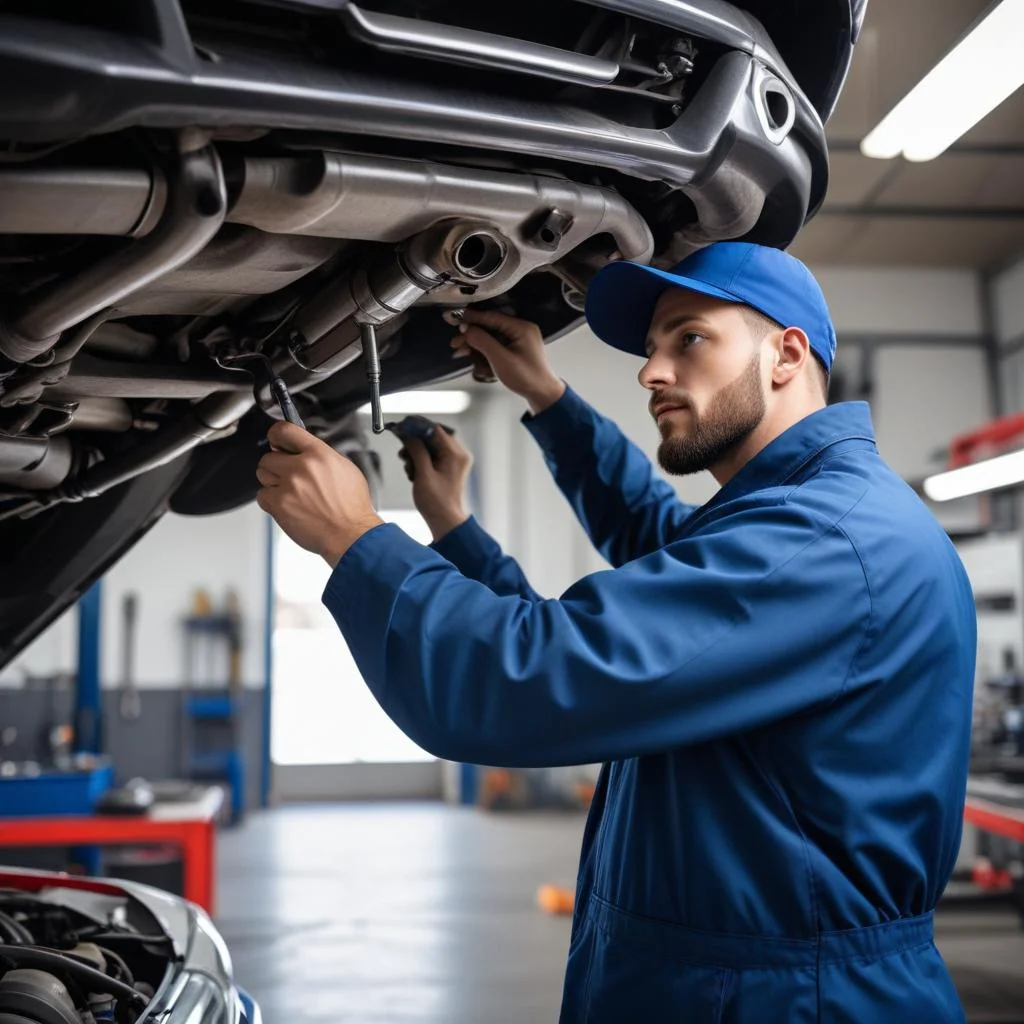
Car Repair Costs in New Jersey
Whether you're dealing with a check engine light, squeaky brakes, or a major engine issue, understanding car repair costs helps you budget appropriately and avoid overpaying. New Jersey has hundreds of auto repair shops, and prices can vary significantly based on location, shop type, and the complexity of the repair.
Typical Range
$100 - $2,000+
Average Cost
$500
Detailed Price Breakdown
| Service | Low | High |
|---|---|---|
| Oil Change (Conventional) | $30 | $50 |
| Oil Change (Synthetic) | $65 | $100 |
| Brake Pad Replacement (per axle) | $150 | $350 |
| Brake Rotor Replacement (per axle) | $250 | $500 |
| Battery Replacement | $150 | $300 |
| Alternator Replacement | $350 | $700 |
| Starter Replacement | $300 | $600 |
| Timing Belt Replacement | $500 | $1,200 |
| Transmission Repair | $1,500 | $4,000 |
| Engine Repair/Rebuild | $2,500 | $7,000+ |
| AC Repair/Recharge | $150 | $500 |
| Check Engine Diagnosis | $80 | $150 |
What Affects the Cost?
Vehicle Make and Model
Luxury and European vehicles (BMW, Mercedes, Audi) typically cost 30-50% more to repair than domestic brands due to specialized parts and expertise required.
Dealership vs. Independent Shop
Dealerships charge $120-$180/hour for labor while independent shops typically charge $80-$120/hour. However, dealerships may be necessary for warranty work or specialized repairs.
OEM vs. Aftermarket Parts
Original Equipment Manufacturer (OEM) parts cost more but offer guaranteed fit and quality. Quality aftermarket parts can save 20-40% and work just as well for many repairs.
Location in New Jersey
Shops in North Jersey and near NYC tend to charge higher labor rates ($100-$150/hour) compared to Central and South Jersey ($80-$110/hour).
Urgency of Repair
Emergency repairs and same-day service often come with premium pricing. Planning ahead for maintenance can save 10-20% on costs.
Money-Saving Tips
- 1Always get at least 3 written estimates for repairs over $500 - prices can vary by 50% or more between shops
- 2Ask if the shop offers a warranty on parts and labor - reputable shops offer at least 12 months/12,000 miles
- 3Request to see the old parts that were replaced as proof the work was done
- 4Check reviews on JerseyTopTen and Google before choosing a shop - look for patterns in feedback
- 5For major repairs, consider getting a second opinion from another mechanic
- 6Keep records of all maintenance and repairs to help with diagnosis and resale value
- 7Ask about shop certifications like ASE (Automotive Service Excellence) - this indicates trained technicians
- 8Don't ignore warning lights - small problems often become expensive repairs when neglected
When to Hire a Professional
- •Check engine light or other warning lights appear on your dashboard
- •You hear unusual noises like grinding, squealing, or knocking
- •The car pulls to one side or the steering wheel vibrates
- •You notice fluid leaks under the car (oil, coolant, transmission fluid)
- •Brakes feel spongy, make noise, or the car takes longer to stop
- •The car is due for scheduled maintenance (oil change, timing belt, etc.)
- •You're buying a used car and need a pre-purchase inspection
Red Flags to Watch For
- •Shop won't provide a written estimate before starting work
- •Pressure to make immediate decisions on expensive repairs
- •Unwilling to show you the problem or explain what's wrong
- •No posted labor rates or refuses to itemize the bill
- •Recommends replacing parts that were recently replaced
- •Shop is not willing to let you take the car for a second opinion
- •No warranty offered on repairs
- •Extremely low prices that seem too good to be true
Frequently Asked Questions
Should I go to the dealership or an independent mechanic?
For routine maintenance and common repairs, independent shops typically offer the same quality at lower prices. Dealerships are best for warranty work, recalls, and complex repairs requiring specialized diagnostic equipment. Many independent shops now have the same diagnostic capabilities as dealerships.
How do I know if I'm being overcharged?
Get multiple estimates, research typical costs for your specific repair, and ask for a detailed breakdown of parts and labor. Labor rates in NJ typically range from $80-$150/hour depending on the shop and location. Parts should be itemized separately.
Is it worth repairing an older car?
Compare the repair cost to the car's value and expected remaining lifespan. A general rule: if repairs exceed 50% of the car's value, consider replacement. However, a well-maintained older car you know is often better than an unknown used car.
Can I bring my own parts to save money?
Some shops allow this, but many don't because they can't warranty parts they didn't source. If allowed, you'll save on parts markup (typically 30-50%) but may pay higher labor rates or lose warranty coverage.
What's included in a typical inspection?
A comprehensive inspection should cover brakes, tires, fluids, belts, hoses, battery, lights, suspension, exhaust, and a test drive. Many shops offer free inspections hoping to find work, while thorough pre-purchase inspections cost $100-$200.
Find Top-Rated Auto Services Providers
Compare quotes from verified professionals in New Jersey
Find Local Pros